Can Invisalign Fix Overbite? What You Need to Know
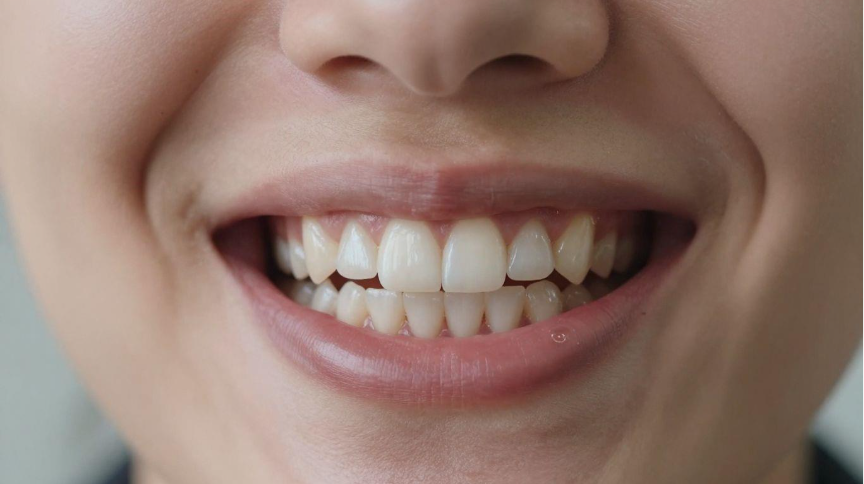
Many people wonder if Invisalign can help with an overbite. An overbite is when the top teeth overlap the bottom teeth more than they should. While it's common, a significant overbite can cause problems like jaw pain or teeth wearing down. This article looks into how Invisalign works for overbites, if it's a good option, and what benefits come with fixing this bite issue.
Key Takeaways
- Invisalign can effectively correct mild to moderate overbites by gradually moving teeth into better alignment using clear aligners.
- The effectiveness of Invisalign for an overbite depends on its severity, with severe skeletal overbites sometimes requiring braces or surgery.
- Treatment time with Invisalign for an overbite can range from 6 months to over 2 years, depending on the case complexity and patient compliance.
- Benefits of using Invisalign for overbite correction include its discreet appearance, comfort, and the ability to remove aligners for eating and cleaning.
- Correcting an overbite with Invisalign can prevent tooth damage, reduce gum issues, improve chewing function, and avoid further orthodontic problems.
Understanding What an Overbite Is
An overbite is a common dental condition where the upper front teeth extend too far over the lower front teeth. It's a type of malocclusion, which basically means your teeth aren't lining up quite right. While a slight overlap is perfectly normal and even considered ideal for protecting your teeth, an excessive overlap can lead to various issues.
Think of it like this: a healthy bite usually has the top teeth covering about a third to half of the bottom teeth. When this overlap gets much larger, it's considered a significant overbite, sometimes called a "deep bite." This can happen for a few reasons. Sometimes, it's just how your jaw developed, or maybe genetics played a role. Other times, habits like prolonged thumb-sucking or pacifier use in childhood, or even tongue-thrusting, can push the upper teeth forward. In adults, missing lower teeth or jaw structure differences can also contribute.
The main concern with an overbite isn't just how it looks, but the potential problems it can cause down the road.
- Tooth Wear: The upper teeth might constantly rub against the lower teeth, leading to premature wear and tear on the enamel.
- Gum Damage: The lower teeth might hit the gum tissue behind your upper teeth, causing irritation and recession.
- Jaw Pain and Headaches: An improper bite can put extra stress on your jaw joint.
- Chewing and Biting Difficulties: It may become harder to chew efficiently.
- Speech Issues: In some cases, pronunciation can be affected.
How Invisalign Works to Correct Bite Alignment
Invisalign uses a series of custom-made clear aligners to gradually move your teeth into the desired position. Each aligner is designed to apply gentle pressure to specific teeth, guiding them little by little.
- Gently pull the upper front teeth back.
- Encourage the lower front teeth to move forward.
- Help level out the curves of your dental arches.
- Work with attachments or elastics for better control.
The aligners are typically worn for 20 to 22 hours a day and changed every one to two weeks to continue progress.
Can Invisalign Fix an Overbite?
For many people, Invisalign can successfully fix an overbite. It works by gradually shifting teeth into better alignment using a series of aligners.
- Mild Overbites: Typically 6–12 months.
- Moderate Overbites: Usually 12–18 months.
- Severe Overbites: 18–24 months or more, sometimes requiring additional treatment.
The success of treatment depends on the severity of the overbite and how consistently the aligners are worn.
Benefits of Using Invisalign for Overbite Correction
- Discreet Appearance: Clear aligners are nearly invisible.
- Removable Convenience: Easy to eat, brush, and floss.
- Comfort: No metal wires or brackets.
- Predictable Results: Digital planning shows expected outcomes.
Invisalign offers a flexible and comfortable way to improve bite alignment without disrupting daily life.
Long-Term Benefits of Correcting an Overbite
- Prevents excessive wear on tooth enamel.
- Reduces risk of gum problems.
- Improves chewing and digestion.
- Decreases jaw pain and headaches.
- Enhances speech clarity.
Correcting an overbite improves both oral health and overall comfort in the long run.
Wrapping Up: Can Invisalign Help Your Overbite?
For many cases, especially mild to moderate ones, Invisalign is an effective and convenient option for correcting an overbite. More complex cases may require additional treatments, so consulting with an orthodontist is the best way to determine the right approach. Ready to fix your overbite and improve your smile? Contact us to discuss your options and see how Invisalign can work for you. We are ready to help you at Radiant Smiles Phoenix.
Frequently Asked Questions
What exactly is an overbite?
An overbite is when your top front teeth overlap your bottom front teeth more than normal.
Can Invisalign really fix an overbite?
Yes, Invisalign can fix many overbites, especially mild to moderate ones.
How does Invisalign work to correct an overbite?
It uses a series of clear aligners that gradually move teeth into proper alignment.
How long does it take to fix an overbite with Invisalign?
It typically takes between 6 months and 2 years depending on severity.
What are the benefits of Invisalign compared to braces?
It is discreet, removable, comfortable, and allows normal eating and cleaning.
When should someone consider treating an overbite?
When there is noticeable overlap, discomfort, or functional issues, it's best to consult an orthodontist.
Blog Post Author

Contributed by DentalROI
DentalROI provides relevant dental content to help providers educate patients. The statements, services, and products referenced in this article have not been evaluated by the Food and Drug Administration, and they are not intended as a substitute for professional medical advice, diagnosis, or treatment. Always seek the advice of your dental provider with any questions or issues you may have. Specific recommendations may vary in different circumstances, so individual consultation is important.