Can You Get Teeth Whitening if You Have Crowns or Implants
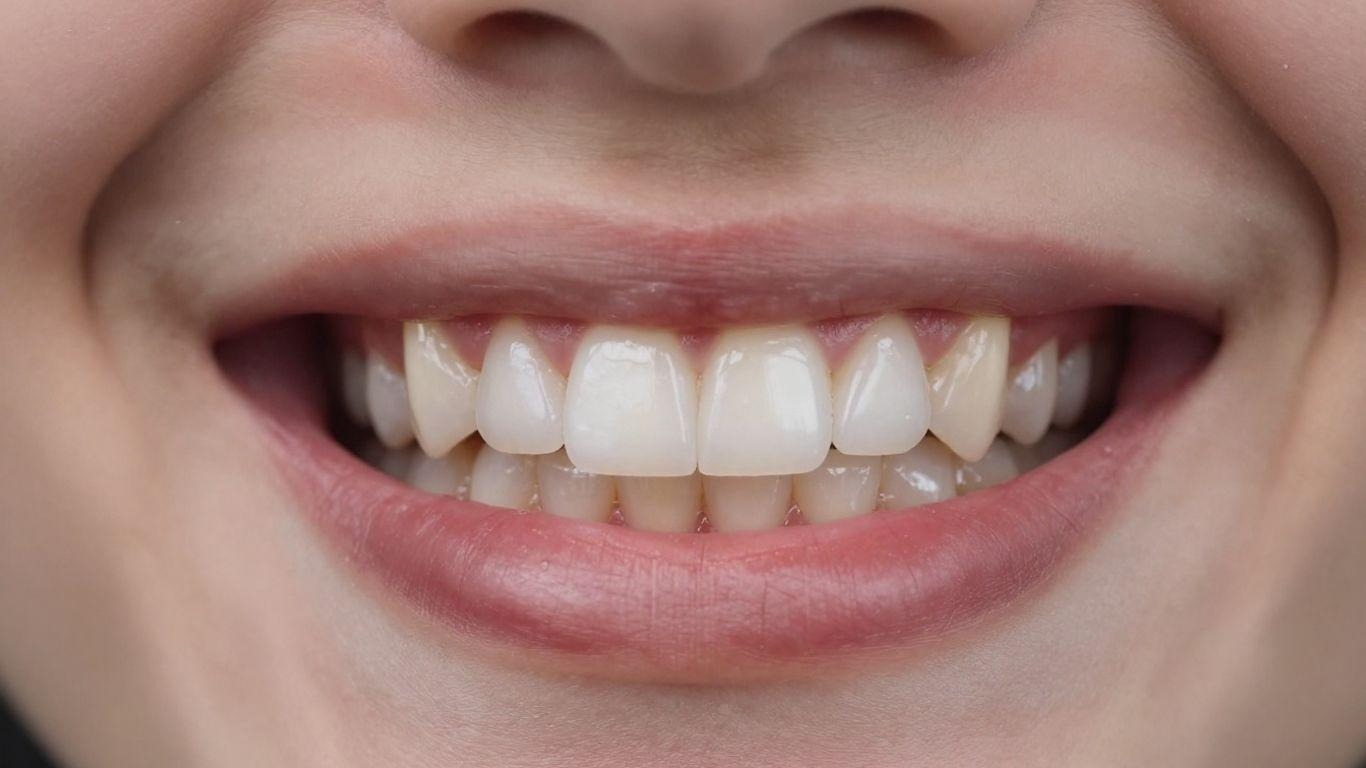
So, you're thinking about brightening up your smile, but you've got some dental work like crowns or implants in there. It's a super common question: can you even get teeth whitening with crowns or implants? The short answer is... it's complicated, but usually doable with the right approach.
Why does whitening work differently on natural teeth vs dental work?
Whitening products, whether you get them from the dentist or the drugstore, work by seeping into the tiny pores of your natural tooth enamel. They break down the stuff that causes stains, making your teeth look lighter. Dental work, like crowns and implants, are usually made from materials like porcelain or zirconia. These materials are non-porous, meaning the whitening agents just can't get in to do their thing. So, while your natural teeth might get whiter, your crowns and implants will stay the exact same color they were when they were made. This can lead to a bit of a mismatch, which is probably not the look you're going for.
It's important to remember that dental restorations are designed to be stain-resistant and durable. They won't change color when exposed to typical whitening agents.
Here's a quick rundown of how it plays out:
- Natural Teeth: Enamel has pores that allow whitening agents to penetrate and lighten the tooth from within.
- Crowns & Implants: These are typically made of porcelain, ceramic, or zirconia. These materials are non-porous and don't react to bleaching chemicals.
- The Mismatch: If you whiten natural teeth with restorations, the natural teeth will lighten, but the restorations will not, potentially creating a noticeable color difference.
This is why it's super important to chat with your dentist before you start any whitening treatment if you have dental work. They can help you figure out the best plan to get a consistent, natural-looking smile.
Teeth Whitening With Dental Crowns — What Actually Happens
So, you've got some dental crowns and you're wondering about teeth whitening with dental crowns. It's a common question, and the short answer is: it's not quite as straightforward as whitening your natural teeth.
Will whitening make your crowns look different from your natural teeth?
Here's the deal: whitening treatments, whether you get them done at the dentist's office or use at-home kits, work by bleaching the natural tooth enamel. They penetrate the enamel and break down stains. Dental crowns, on the other hand, are usually made from materials like porcelain, ceramic, or zirconia. These materials are non-porous and don't react to whitening agents the way natural teeth do. This means your crowns will stay the exact shade they were when they were placed.
So, if your natural teeth have darkened over time, and you decide to whiten them, you're going to end up with a color difference. Your natural teeth might get brighter, but your crowns will remain the same color. This can sometimes lead to a noticeable mismatch, making the crowns look more yellow or darker compared to your newly whitened natural teeth.
Here's a quick rundown of what happens:
- Natural Teeth: Respond to whitening agents, becoming lighter.
- Dental Crowns: Do not respond to whitening agents; their color stays the same.
- Result: Potential for a color mismatch between natural teeth and crowns.
It's important to remember that dental restorations are designed to be stable in color. While this is great for longevity, it means they won't change shade with whitening treatments. Planning is key if you want a uniform smile.
If you're thinking about whitening and have crowns, it's always best to chat with your dentist first. They can look at your specific situation and help you figure out the best way to achieve the smile you're after without any surprises.
Does Whitening Work on Dental Implants?
So, let’s get right to it—does whitening work on dental implants? In short, nope. Dental implants are made from materials like porcelain or zirconia, which just don't react to whitening gels the way real teeth do. No matter how many at-home kits or professional treatments you try, the color of your implant crown is going to stay the same. The whitening stuff just doesn’t soak in like it does with natural tooth enamel.
What do dentists recommend for patients with mixed dental work?
If you have a mix of natural teeth and dental implants, things can get tricky. Here are a few options dentists usually suggest:
- Whiten before you get an implant: If you’re planning a new implant, whiten your natural teeth first. Your dentist can then match the color of the implant crown to your newly brightened teeth.
- Replace an old implant crown: Already have an implant but want a whiter smile? Dentists can remove the old crown, whiten your natural teeth, and then make a new crown that matches your new, lighter shade.
- Live with a slight color difference: Some folks decide that the mismatch really doesn’t bother them, especially if the implant isn’t front-and-center in their smile.
Here’s a quick cheat sheet:
| Situation | Whitening Works? | What to Do |
|---|---|---|
| Natural teeth only | Yes | Go ahead and whiten |
| Implants already placed | No | Consider new crown or leave |
| About to get an implant | Yes (for naturals) | Whiten first, then implant |
If you have a combination of real teeth and dental work, plan ahead with your dentist so you don't end up with a patchy-looking smile. One of the most common complaints is that brightening treatments make older crowns or implants stand out even more.
In the end, the answer to “does whitening work on dental implants” is always the same: they’ll stay just the color they were made, for better or for worse. Good thing there are workarounds if you're really chasing that bright white look!
Whitening Natural Teeth When You Have Crowns — Best Approach
So, you've got some crowns in your smile, but you're dreaming of brighter, whiter natural teeth. It's totally doable, but you gotta go about it the smart way to avoid a weird, mismatched smile. The main thing to remember is that whitening treatments only work on your real teeth, not on the crowns themselves. Those crowns are made of different stuff, like porcelain or zirconia, and they're pretty much set in their color once they're made.
How do you get an even smile when some teeth cannot be whitened?
This is where the planning comes in. If you're thinking about whitening your natural teeth and you already have crowns, the best bet is to talk to your dentist before you start any whitening. They can help you figure out if your crowns are a shade that can be matched by whitening your natural teeth. Sometimes, the goal is just to get your natural teeth closer to the color of your existing crowns. Other times, if your crowns are older or you just want a totally different look, you might need to consider replacing the crowns after you've achieved your desired natural tooth shade. It's all about setting realistic expectations and working with your dentist to get the look you want.
Here’s a quick rundown of what to consider:
- Assess your current crowns: Are they in good shape? What material are they made of? This helps determine how they might look next to whitened natural teeth.
- Talk to your dentist: They're the pros who can tell you what's possible and what's not.
- Consider the timeline: Whitening takes time, and if you need new crowns, that's another step.
- Think about the final shade: What color are you aiming for? Will your current crowns work with that, or will they need to be redone?
The key to a great result when whitening natural teeth with crowns is communication. Your dentist can guide you through the process, helping you understand the limitations and possibilities to achieve a smile that looks natural and consistent.
If your crowns are relatively new and were made to match a lighter shade, you might be in luck. Whitening your natural teeth could bring them back to that original shade, making everything look pretty seamless. But if your crowns are older, or if you're aiming for a dramatically whiter smile, you might find that the color difference becomes more noticeable. In those cases, replacing the crowns to match your newly whitened natural teeth is often the most effective way to get that uniform, bright smile you're after. It's an investment, for sure, but it guarantees the results you're hoping for.
Teeth Whitening With Existing Dental Work — What Are Your Options?
So, you've got some dental work like crowns or implants, and you're wondering about teeth whitening with existing dental work. It's a common question, and the short answer is: it's a bit more complicated than just whitening natural teeth. Dental restorations, like crowns and implant crowns, are usually made from materials like porcelain or zirconia. These materials don't have the same porous structure as natural tooth enamel. This means that the whitening agents used in treatments, whether from the dentist or over-the-counter kits, can't actually penetrate and change the color of your crowns or implants. They'll just stay the shade they were originally made in.
This can lead to a bit of a mismatch if your natural teeth have darkened over time. Your natural teeth might get brighter, but your dental work won't budge, leaving you with a smile that's not quite uniform. So, what can you do?
- Whiten First, Then Restore: If you're planning on getting new crowns or implant restorations and want a whiter smile, the best bet is to whiten your natural teeth before the restorations are made. Get your teeth to the shade you want, let them settle for a couple of weeks, and then have your dentist create the crowns or implant crowns to match that new, lighter color. This way, everything is designed to look consistent from the start.
- Match Existing Restorations: If your crowns or implants are still in good shape and you just want your natural teeth to look closer to them, you can try whitening your natural teeth. This works best if the restorations were originally made to match a lighter shade. The goal here is to bring your natural teeth back to their former glory, so they blend in better with your existing dental work. Just be aware that natural teeth can whiten a bit unpredictably, so an exact match might not always be possible.
- Replace Restorations: If you're aiming for a significantly brighter smile and your current crowns or implants are older, the most reliable way to achieve a uniform look is to replace them. You'd whiten your natural teeth to your desired shade, and then have new crowns or implant crowns made to perfectly match that new color. This is a bigger investment, for sure, but it's the only way to get a dramatic color change across the board.
When considering teeth whitening with existing dental work, it's really important to talk to your dentist. They can look at the materials of your restorations, their current condition, and your natural teeth to give you the best advice. Trying to whiten restorations yourself could potentially damage them or just lead to disappointing results.
Ultimately, the key is managing expectations and working with your dental professional to find the solution that gives you the smile you're happy with, without compromising your existing dental work.
Wrapping It Up
So, can you get your teeth whitened if you have crowns or implants? The short answer is yes, but it's not as simple as just slapping on some whitening strips. Whitening agents don't work on crowns or implants because they're made of different materials. If you have these dental restorations, you'll need to chat with your dentist. They can help you figure out the best plan, whether that's whitening your natural teeth to match your existing work, or even replacing your crowns or implants to get that perfectly uniform, bright smile you're after. Planning ahead is key, so talk to your dentist before you start any whitening journey!
Frequently Asked Questions
Why don't whitening products work on crowns or implants?
Think of it like this: whitening stuff is made to soak into natural tooth stuff, like enamel. Crowns and implants are usually made of porcelain or other materials that don't have tiny holes for the whitening stuff to get into. So, they just don't change color.
Can I whiten my natural teeth if I have crowns?
You can, but you need to be careful. Whitening will only change the color of your natural teeth. This might make your crowns look darker or a different shade than your newly whitened teeth. It's best to talk to your dentist first.
What happens if I whiten my teeth with implants?
Just like crowns, the artificial tooth part of an implant won't get whiter. Your natural teeth might get lighter, but the implant will stay the same color. This can lead to a smile that looks a bit mismatched.
What's the best way to get a white smile with dental work?
If you're getting new crowns or implants, whiten your natural teeth first to the shade you want. Then, have your dentist make the crowns or implants to match that new color. It's all about getting things to match from the start.
What if I already have crowns or implants and want whiter teeth?
Your dentist has a couple of options. They might be able to whiten your natural teeth to get them closer to the color of your crowns or implants. Or, if you want a much whiter smile, they might suggest replacing your crowns or implants with new ones that match your whitened natural teeth.
Can I use at-home whitening kits with crowns?
It's generally not a good idea. At-home kits might not work on your crowns and could even damage them, making them more likely to chip or crack. Always check with your dentist before trying any whitening products.
Blog Post Author

Contributed by DentalROI
DentalROI provides relevant dental content to help providers educate patients. The statements, services, and products referenced in this article have not been evaluated by the Food and Drug Administration, and they are not intended as a substitute for professional medical advice, diagnosis, or treatment. Always seek the advice of your dental provider with any questions or issues you may have. Specific recommendations may vary in different circumstances, so individual consultation is important.