Why Dental Implants Are Changing the Future of Dentistry
Missing teeth used to mean dentures or bridges, which were okay but had their problems. Now, dental implants are really changing things. They're a much better way to replace teeth, and they're making a big difference in how Phoenix dentists work and how patients feel about their smiles. This article looks at how implants are shaking up the dental world, from the technology used to the overall patient experience.
Key Takeaways
- Dental implants are a modern solution for missing teeth, offering stability and function that traditional methods can't match.
- New technologies like 3D imaging and guided surgery are making implant procedures more precise and predictable.
- The dental implant industry is growing due to better technology and rising demand.
- Implants help preserve jawbone and overall oral health.
- Patients experience more comfort, faster recovery, and natural-looking results.
A New Era in Tooth Replacement
For a long time, when people lost teeth, the options for replacing them were pretty limited. Dentures could be uncomfortable and slip, and bridges often meant altering healthy teeth. Dental implants have changed that by offering a stronger and more reliable solution.
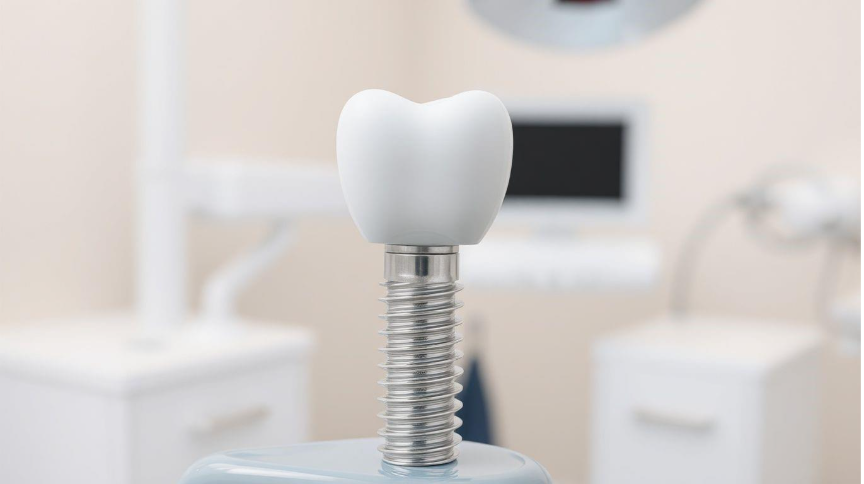
Dental implants are artificial tooth roots placed into the jawbone. They provide a solid foundation for replacement teeth and restore both function and appearance.
- Stable and secure placement
- Natural look and feel
- No damage to nearby healthy teeth
- Long-lasting solution
This shift means tooth replacement is no longer a compromise. It restores confidence and daily comfort.
How Dental Implants Improve Everyday Function
Missing teeth can make eating, speaking, and smiling difficult. Dental implants solve these problems by functioning just like natural teeth. They fuse with the jawbone, creating a strong and stable base.
- Eat a wide variety of foods comfortably
- Speak clearly without worry
- Feel confident with a complete smile
- Enjoy a durable long-term solution
The natural integration of implants allows people to forget they even have them.
Preserving Oral Health for the Long Term
Dental implants help maintain oral health by preventing jawbone loss. When a tooth is missing, the bone beneath can shrink. Implants stimulate the bone just like natural tooth roots.
Unlike bridges, implants do not require altering neighboring teeth, helping them stay healthy.
- Prevents jawbone deterioration
- Protects surrounding teeth
- Permanent and stable solution
- Easy to clean and maintain
This approach supports the long-term health and structure of the mouth.
Advancements in Dental Technology Driving Implant Success
Modern dental technology has made implants more precise and predictable. Tools like 3D imaging and digital planning allow dentists to place implants accurately.
- 3D imaging for detailed planning
- CAD and CAM technology for custom implants
- Guided surgery for precise placement
- Advanced biocompatible materials
These advancements reduce invasiveness, improve safety, and shorten recovery times.
A More Efficient and Comfortable Patient Experience
Dental implant procedures are now faster and more comfortable thanks to modern techniques. Digital planning reduces chair time and improves accuracy.
- Shorter treatment sessions
- Minimally invasive procedures
- Faster healing and recovery
- Predictable and reliable results
Improved materials also help implants feel more natural and integrate smoothly.
The Future Is Bright for Dental Implants
Dental implants continue to evolve with technology. They are becoming the preferred choice for tooth replacement due to their durability, comfort, and natural appearance.
As advancements continue, implants will offer even better results for restoring smiles and improving oral health. Dental implants are changing lives by restoring both the look and function of your smile. Contact our office to learn how this modern solution can improve your quality of life. Visit Radiant Smiles Phoenix today to find out if you are a candidate for life-changing implant dentistry.
Frequently Asked Questions
What exactly are dental implants?
Dental implants are small titanium posts placed into the jawbone that act as artificial tooth roots for replacement teeth.
How do implants compare to dentures or bridges?
Implants are fixed into the bone, making them more stable and natural-feeling than dentures or bridges.
Is getting a dental implant painful?
The procedure is usually comfortable with local anesthesia. Mild soreness afterward is manageable.
How long does the implant process take?
The full process can take several months to allow proper bonding with the jawbone.
Who can get dental implants?
Most people can get implants, but a dentist will evaluate bone health and overall condition first.
How long do dental implants last?
With proper care, dental implants can last a lifetime.
Blog Post Author

Contributed by DentalROI
DentalROI provides relevant dental content to help providers educate patients. The statements, services, and products referenced in this article have not been evaluated by the Food and Drug Administration, and they are not intended as a substitute for professional medical advice, diagnosis, or treatment. Always seek the advice of your dental provider with any questions or issues you may have. Specific recommendations may vary in different circumstances, so individual consultation is important.