How to Fix a Cracked Tooth: Treatment Options by Severity
A cracked tooth can feel unsettling, especially when you are not sure how bad the damage really is. Discomfort often varies depending on where the crack sits and how deep it runs into the tooth structure. Understanding your options early is a proactive step toward preserving your smile for the long term. At Radiant Smiles Phoenix, our team evaluates fractures carefully and walks each patient through the right path to restoration.
What Are the Different Types of Cracked Teeth?
Dentists usually categorize fractures based on the path the crack takes through the enamel and the underlying dentin. Some breaks stay confined to the surface, while others reach deep toward the root, causing significant sensitivity or pain. Recognizing these variations helps you describe your symptoms more clearly to your dental team:
- Craze lines that affect only the outer surface enamel.
- Fractured cusps, which often occur around existing fillings.
- Cracked teeth that extend vertically from the chewing surface.
- Split teeth requiring more complex restorative intervention.
- Vertical root fractures that originate near the jawbone.
Once a clinician identifies the specific pattern of the damage, they can determine whether the tooth is merely weakened or whether the nerve has been compromised.
Can a Cracked Tooth Be Saved?
Whether a compromised tooth can be saved usually depends on the location and severity of the fracture rather than the mere presence of damage. Modern restorative techniques often allow dentists to bond segments back together or cover the tooth with a protective dental crown. Using precise diagnostic imaging, your dentist can capture detailed views to assess whether the root system remains stable enough for treatment. Many cracked teeth that reach the surface only are excellent candidates for conservative repair.
Cracked Tooth Repair Cost by Treatment Type
Financial considerations naturally play a role when deciding how to proceed. Prices vary significantly depending on the complexity of the materials required and the time involved in the procedure. The overview below outlines typical relative ranges for common restorative options.
| Treatment Option | Relative Cost | Primary Goal |
|---|---|---|
| Dental Bonding | Moderate | Minor structural repair |
| Full Porcelain Crown | Higher | Enamel protection |
| Root Canal Therapy | High | Saving tooth structure |
These are general market expectations, but your specific insurance coverage and the extent of the damage heavily influence your final out-of-pocket expense. Always ask your provider for a breakdown that reflects your unique situation, since a small crack repaired with bonding or a filling costs far less than a fracture that has reached the pulp.
Treatment Options From Minor Cracks to Severe Fractures
Addressing a fracture calls for a strategy that balances immediate relief with long-term durability. Some minor cracks might simply need polishing or basic bonding, while deeper structural damage often demands more comprehensive reinforcement. When a crack extends into the inner pulp, root canal therapy may be needed to remove the damaged tissue before a crown seals and protects the remaining tooth. Careful planning helps every restoration fit seamlessly and prevents further stress on the healthy tooth tissue around it.
How Dentists Determine the Best Treatment for Your Crack
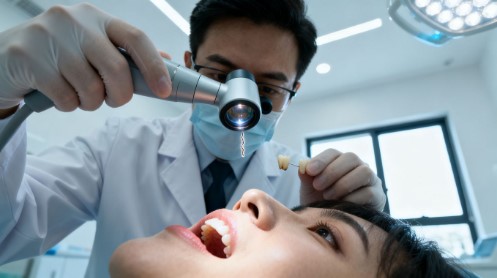
Clinicians prioritize a solution that restores natural function while stopping the fracture from spreading. They examine the tooth under magnification, check for bite irregularities, and use specialized lighting to trace the exact path of the damage. This thorough assessment ensures no hidden issues are overlooked before restoration begins. Selecting the correct method depends on the depth of the fracture and the volume of remaining natural tooth structure, striking a balance between appearance and mechanical strength. By carefully mapping the crack's anatomy, your dental team can choose the most durable outcome possible, which is why this evaluation phase is one of the most important parts of the entire process.
What Happens If a Cracked Tooth Goes Untreated?
Ignoring a fracture rarely resolves it, since teeth have almost no ability to heal themselves. Over time, the recurring stress of chewing can cause a minor hairline crack to expand, potentially splitting the tooth or reaching deep internal tissues. According to the American Association of Endodontists, early treatment of a cracked tooth offers the best chance of saving it and avoiding more invasive care. Keeping regular checkups lets your dentist track any changes in your tooth structure and step in before a small problem becomes a serious one.
Signs You Should See a Dentist Immediately
Certain warning signs indicate that a fracture has moved beyond a superficial issue and needs prompt attention. Sharp, sudden pain while chewing or persistent sensitivity to hot and cold usually means the tooth is signaling a deeper problem. Left alone, these symptoms often lead to inflammation or infection within the pulp, which complicates future treatment. If you have broken or badly cracked a tooth, our emergency dentistry team can see you quickly to relieve pain and protect the tooth.
Conclusion
Managing a damaged tooth successfully comes down to prompt professional evaluation and choosing the most effective path forward. Addressing fractures early with the right restorative method helps protect your overall oral health and lets you avoid more invasive procedures down the road. If you suspect a cracked tooth, contact our team to schedule an evaluation.
Frequently Asked Questions
Can I repair a cracked tooth at home with natural remedies?
No, there are no effective natural ways to repair a crack. Teeth cannot regenerate, and trying to manage the injury without professional care usually increases the risk of infection.
Does every cracked tooth require a root canal?
Not every fracture needs a root canal; it depends on whether the crack has reached the inner pulp. If the pulp is still healthy, a crown or bonding may be enough to restore the tooth.
How long does a crown restoration last?
With consistent oral hygiene and regular checkups, a porcelain or ceramic crown can last for many years. Its longevity depends on daily habits, such as avoiding chewing on very hard objects.
Is a cracked tooth considered a dental emergency?
If the fracture causes acute pain, bleeding, or affects your ability to bite, it should be treated as urgent. Seeking help quickly can often save a tooth that might otherwise need extraction.
Does teeth grinding contribute to the risk of cracking?
Yes. Chronic grinding or clenching, known as bruxism, puts repetitive stress on your enamel and can create fatigue cracks that grow into full fractures if the habit is not managed with a night guard.
About the Author
Radiant Smiles Phoenix is a family-owned dental practice at 380 E Virginia Ave in Phoenix, Arizona, owned and operated by husband-and-wife dentists Dr. Sharan Sandhu and Dr. Jason Bajwa. The team provides comprehensive general, cosmetic, restorative, and emergency dental care with an emphasis on patient education, clear communication, and clinical excellence, treating every patient like a member of their own family.
Medical Disclaimer
The information provided in this article is for educational purposes only and does not constitute professional medical or dental advice, diagnosis, or treatment. Costs cited are general estimates and vary by case and location. Always seek the advice of your dentist or other qualified health provider with any questions you may have regarding a medical condition or treatment. Never disregard professional medical advice or delay in seeking it because of something you have read here.
Blog Post Author

Contributed by DentalROI
DentalROI provides relevant dental content to help providers educate patients. The statements, services, and products referenced in this article have not been evaluated by the Food and Drug Administration, and they are not intended as a substitute for professional medical advice, diagnosis, or treatment. Always seek the advice of your dental provider with any questions or issues you may have. Specific recommendations may vary in different circumstances, so individual consultation is important.