Immediate Dentures: Temporary or Long-Term Solution?
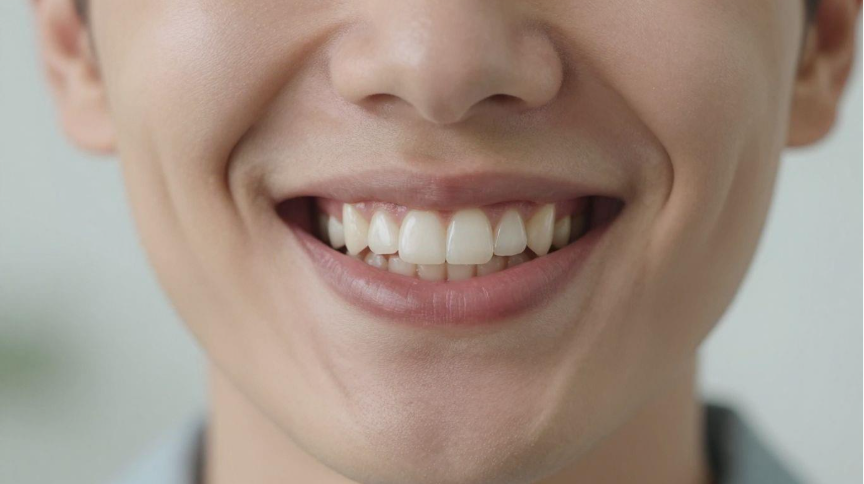
Losing teeth can be a big deal, affecting how you eat, speak, and even how you feel about your smile. When it comes time to replace them, you'll find there are a couple of main options: immediate dentures and permanent dentures. Many people wonder about the difference, especially if immediate dentures are just a quick fix or something they can keep for the long haul. Let's break down what immediate dentures are all about and figure out if they're a temporary band-aid or a more lasting solution.
Key Takeaways
- Immediate dentures, also called temporary dentures, are fitted right after teeth are removed. They help you look and function normally while your mouth heals.
- These dentures aren't custom-made for your healed mouth, so they might not fit perfectly and may need adjustments or relining as your gums change shape during healing.
- While they serve an important role during recovery, immediate dentures are generally not meant to be permanent solutions and typically last about 6-12 months.
- Permanent dentures are made after your mouth has fully healed, offering a better fit, more comfort, and a more natural appearance for long-term use.
- Choosing immediate dentures means you'll likely need to invest in permanent dentures later, but they provide immediate aesthetic and functional benefits during the crucial healing period.
What Are Immediate Dentures?
Immediate dentures are a type of removable dental prosthetic that are fitted and inserted on the same day your natural teeth are extracted. Think of them as a placeholder, a temporary solution that allows you to leave the dental office with a full set of teeth right after surgery. This is particularly helpful when multiple teeth, or even all of your teeth, need to be removed due to decay, gum disease, or injury.
They serve a dual purpose: to immediately replace missing teeth and to protect the surgical sites as they begin to heal. Unlike conventional dentures, which are made after your mouth has fully healed over several months, immediate dentures are fabricated beforehand based on measurements and molds taken during an earlier dental visit. This means you don't have to go without teeth during the often lengthy healing period.
While they provide an immediate aesthetic and functional benefit, it's important to understand that their fit isn't as precise as permanent dentures. Because they are made before the final healing and shrinkage of the jawbone occur, they may require adjustments or relining as your mouth changes shape over the first few months. This is a normal part of the process.
- Immediate tooth replacement: You won't have to face the world without teeth after an extraction.
- Gum protection: They act as a bandage, shielding the extraction sites from irritation and helping to control bleeding.
- Familiarity: They allow you to get used to the feel and function of dentures while your mouth heals.
It's common for patients to experience some initial soreness or difficulty with chewing as they adapt. Also, because they aren't custom-molded to your healed mouth, they might shift slightly. This is why follow-up appointments are so important to ensure comfort and proper function during the healing phase.
Why Patients Choose Immediate Dentures
Many people opt for immediate dentures because they want to avoid the awkward period of being without teeth after an extraction. It's a pretty common reason, honestly. You have teeth removed, and then, right away, you get a new set. This means you don't have to face the world with a gap in your smile, which can be a big confidence booster.
Beyond just looking good, these dentures play a protective role. They act like a bandage for your gums, shielding the extraction sites as they begin to heal. This can help minimize bleeding and discomfort during those first few weeks. It’s a way to keep things stable while your mouth recovers.
- Immediate Aesthetics: You leave the dental office with a full smile, right after your teeth are removed.
- Gum Protection: They cover and protect the surgical sites, aiding in the healing process.
- Familiarity: You get used to wearing dentures sooner, making the transition to permanent ones potentially smoother.
- Speech Practice: Wearing them helps you adjust to speaking with a full set of teeth.
Some patients also find that immediate dentures help them adjust to the sensation of wearing dentures overall. It's a way to get accustomed to how they feel and function before a more permanent set is ready. Plus, for those concerned about the cost, they can sometimes be a more budget-friendly option initially, though adjustments are often needed. It's a practical choice for many facing tooth loss, offering a bridge to a more permanent solution.
The Process of Getting Immediate Dentures
Getting immediate dentures involves a few steps, and it all starts with a conversation with your dentist. They'll look at your mouth, check out your natural teeth, and talk about what you need. This initial visit is important because it's where the plan is made.
Your dentist will take measurements and impressions of your jaw and teeth. Think of an impression as a detailed mold of your mouth. This is how they get the shape and size just right for your new dentures. If you're getting a full set, they might extract some teeth first, let that area heal a bit, and then take another impression. For partial dentures, they'll focus on the specific areas where teeth are missing.
The actual placement of the immediate dentures happens on the same day your teeth are extracted. This means you won't have to go without teeth, even for a short while. After the extractions, the dentist will carefully place your new immediate dentures. They'll make sure they fit as comfortably as possible right then and there.
- Initial Consultation: Discussing your needs, taking measurements, and initial impressions.
- Tooth Extraction: If necessary, teeth are removed.
- Denture Placement: Immediate dentures are fitted right after extractions.
- Healing and Adjustments: You'll wear the dentures while your mouth heals, and regular follow-up appointments are needed for adjustments as your gums and jaw change shape.
It's important to remember that these dentures are made before your teeth are removed. This means they won't have the exact fit of permanent dentures, which are made after your mouth has fully healed. Because of this, adjustments and relines are often part of the process to keep them comfortable as your mouth changes.
Are Immediate Dentures Temporary or Long-Term?
So, the big question is: are immediate dentures meant to be a permanent fix, or are they just a placeholder? Generally speaking, immediate dentures are considered a temporary solution. They're designed to be worn during the initial healing phase after tooth extractions, which can take several months. Think of them as a bridge to your final, permanent dentures.
While you'll have teeth right away, which is a huge plus, these dentures aren't custom-fitted in the same way permanent ones are. Because your mouth is still healing and changing shape, the fit might not be perfect and can loosen over time. This means they often require adjustments or relining as your gums and bone heal.
Can you keep immediate dentures permanently? It's not really their intended purpose. They typically last about 6 to 12 months. After that, you'll likely need a new set of permanent dentures that are made to fit your fully healed mouth. These permanent dentures offer a better fit, more comfort, and are built for long-term wear, often lasting for many years with proper care.
- Immediate Dentures: Placed right after extractions, serve as a temporary solution during healing.
- Permanent Dentures: Fabricated after healing is complete, offering a custom fit for long-term use.
- Adjustments Needed: Immediate dentures often require adjustments as your mouth heals and changes shape.
Benefits of Immediate Dentures During the Healing Phase
Getting immediate dentures can make a big difference right after tooth extractions. These temporary prosthetics are placed the same day your teeth are removed, which means you don't have to go without teeth while your mouth heals. This can be a huge relief for many people.
One of the main advantages is that they act as a protective bandage for your gums. After surgery, your gums are sensitive and need to be shielded from irritation and potential infection. Immediate dentures help cover and protect the extraction sites, which can also minimize bleeding. This protection allows the initial stages of healing to proceed more smoothly.
Beyond protection, immediate dentures help maintain your appearance and ability to speak. Not having teeth can affect how you talk and how you feel about smiling. Wearing immediate dentures means you can continue to communicate and interact socially with more confidence. It’s a way to keep things as normal as possible during a time of significant change.
- Immediate tooth replacement: You leave the dental office with teeth, avoiding a period of being toothless.
- Gum protection: They cover and shield the surgical sites, aiding in a cleaner healing environment.
- Speech and appearance maintenance: Helps you feel more comfortable speaking and smiling.
- Getting used to dentures: Provides an early opportunity to adapt to the sensation of wearing dentures before your permanent ones are ready.
So, What's the Verdict?
Deciding between temporary and permanent dentures really comes down to what you need right now and what you're planning for the future. Temporary dentures are great for keeping things looking normal and helping you adjust after having teeth removed, especially if you're on a tighter budget. They do their job while your mouth heals. But, if you're looking for the best fit, the most comfort, and a solution that lasts for years, permanent dentures are usually the way to go. They cost more upfront, sure, but many people find that the improved feel and look are well worth the investment.
Frequently Asked Questions
What exactly are immediate dentures?
Immediate dentures are false teeth that a dentist puts in your mouth right after taking out your natural teeth. They're like a temporary set that helps you look and feel normal while your mouth heals.
Why would someone choose immediate dentures over waiting for permanent ones?
People often choose immediate dentures because they don't want to be without teeth, even for a short time. They help you keep smiling, talking, and eating right after surgery.
How long do people typically wear immediate dentures?
Immediate dentures are meant for the healing period, which usually lasts about 4 to 6 months, sometimes a bit longer.
Do immediate dentures fit as well as permanent ones?
Not usually. They might feel loose or require adjustments more often than permanent dentures.
Can immediate dentures be a permanent solution?
No, immediate dentures are not meant to be a permanent solution.
What are the main differences in cost between immediate and permanent dentures?
Immediate dentures are generally less expensive upfront than permanent ones, but permanent dentures last much longer.
Blog Post Author

Contributed by DentalROI
DentalROI provides relevant dental content to help providers educate patients. The statements, services, and products referenced in this article have not been evaluated by the Food and Drug Administration, and they are not intended as a substitute for professional medical advice, diagnosis, or treatment. Always seek the advice of your dental provider with any questions or issues you may have. Specific recommendations may vary in different circumstances, so individual consultation is important.