Periodontist vs. Oral Surgeon for Dental Implants
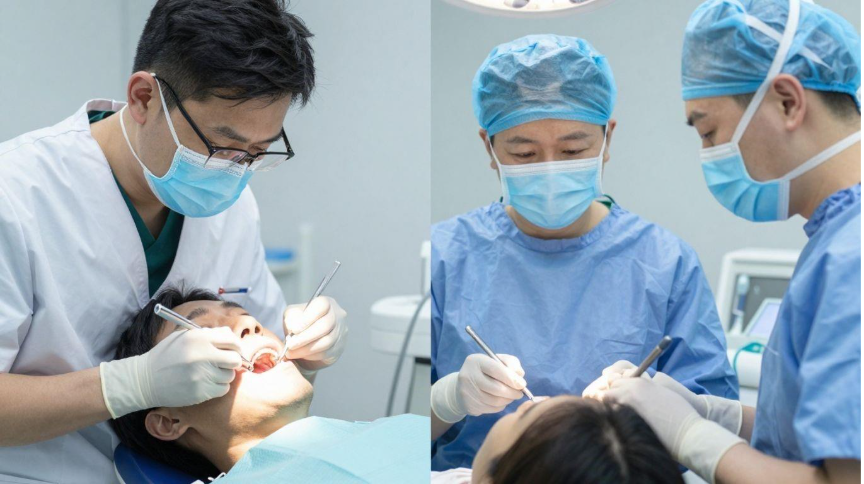
Deciding to get dental implants is a big step toward restoring your smile and oral function. But when it comes to who should perform the procedure, patients often wonder about the differences between an oral surgeon and a periodontist. Both are highly trained dental professionals, but their specific areas of focus can influence which one might be the best fit for your particular needs. Understanding their distinct training and scope of practice can help you make a more informed choice for your dental implant journey.
Key Takeaways
- Both oral surgeons and periodontists are dental specialists qualified to place dental implants, but they have different training backgrounds and primary focuses.
- Oral surgeons undergo extensive surgical residency (4-6 years) covering the mouth, jaw, and face, making them well-equipped for complex cases, bone grafting, and managing anesthesia.
- Periodontists specialize in gum health and the supporting structures of the teeth, focusing on treating gum disease and bone issues, which are vital for implant stability.
- While both can perform implant surgery, oral surgeons often handle more complex procedures, while periodontists may focus more on the health of the surrounding gum and bone tissues.
- The choice between an oral surgeon and a periodontist can depend on the complexity of the implant case, the patient's overall oral health, and whether extensive bone work or gum treatment is needed.
Why Choosing the Right Implant Specialist Matters
When you're considering dental implants, picking the right dental professional is a big deal. It's not just about filling a gap; it's about getting a stable, functional, and natural-looking replacement tooth that lasts. Think of it like building a house – you need skilled craftspeople for each part, from the foundation to the finishing touches. The same applies to dental implants. The expertise of your chosen specialist directly impacts the success and longevity of your implant.
Placing a dental implant involves more than just drilling a hole and screwing in a post. It requires a deep understanding of your jawbone, gum health, and how your bite works. If any of these steps aren't done just right, you could run into problems down the road, like the implant not integrating properly, nerve issues, or even bite problems. That's why knowing who is best qualified to do dental implants for your specific situation is so important.
- Restored Function: Implants need to function like natural teeth, allowing you to eat, speak, and smile without worry.
- Aesthetic Appeal: A well-placed implant looks and feels natural, blending in with your existing smile.
- Long-Term Health: Proper placement and care prevent complications and ensure the implant lasts for years.
- Comfort: A successful implant should be comfortable, with no pain or irritation.
Making an informed decision about your implant provider can lead to a smoother treatment process and a more satisfying final result. It's about ensuring your investment in your oral health is sound.
Key Differences Between Periodontists and Oral Surgeons for Dental Implants
When it comes to getting dental implants, you might hear two specialist titles come up a lot: periodontists and oral surgeons. Both are highly trained dental professionals, but they have different areas of focus that can influence who might be the best fit for your implant needs. Understanding the difference between a periodontist and an oral surgeon is pretty important.
So, what's the deal? Both start with a dental degree, but their paths diverge significantly afterward. Oral surgeons go through extensive surgical residencies, often in hospital settings, focusing on the complex anatomy of the mouth, jaw, and face. This training means they're equipped for a wide range of surgical procedures, from wisdom tooth removal to jaw reconstruction and, yes, dental implants. They're generally comfortable with all levels of anesthesia, which is a big plus for more involved surgeries.
Periodontists, on the other hand, specialize in the health of your gums and the bone that supports your teeth. Think of them as the gum health experts. They treat gum disease, perform gum grafts, and are also very skilled at placing dental implants. Their focus is often on ensuring the foundation for the implant – both the gum tissue and the bone – is as healthy as possible.
- Oral Surgeons: Focus on surgical procedures of the mouth and jaw, including complex implant cases, bone grafting, and jaw surgeries.
- Periodontists: Specialize in gum health and the supporting structures of teeth, including implant placement with a strong emphasis on periodontal health.
Which Specialist Might Be Right for You?
Deciding between a periodontist and an oral surgeon for your dental implants really comes down to what's going on with your mouth. Think of it like this: if your mouth's foundation needs some serious work, like rebuilding bone or treating advanced gum issues, a periodontist is often the go-to.
- Periodontist: Best for cases where gum health and bone support are the primary concerns.
- Oral Surgeon: Often chosen for more extensive surgical needs.
The Role of Collaboration in Implant Care
When it comes to getting dental implants, it's not always a one-person job. Often, the best results come from a team effort. This collaboration ensures every step of the implant process is handled by the right expertise.
- Surgical Placement: Performed by an oral surgeon or periodontist.
- Gum and Bone Health: Managed by a periodontist.
- Restoration and Aesthetics: Handled by a prosthodontist.
Technology and Treatment Planning Considerations
When you're looking into getting dental implants, the technology used and how your treatment is planned out really make a difference.
- 3D Imaging (CBCT Scans): Provides a detailed view of teeth and jawbone.
- Surgical Guides: Help place implants accurately.
- Digital Smile Design: Helps visualize final results.
Making Your Choice for Dental Implants
When it comes to getting dental implants, both oral surgeons and periodontists have a lot to offer. The most important thing is to talk with your dentist about your specific situation and what kind of specialist will best meet your needs for a healthy, lasting smile. Contact our office to discuss your unique needs and learn which specialist is the best fit for your treatment. Let the team at Radiant Smiles Phoenix guide you to the right solution for a healthy, permanent smile.
Frequently Asked Questions
What is the main difference between an oral surgeon and a periodontist?
An oral surgeon is like a surgeon for your whole mouth and jaw area. A periodontist is an expert in gum health and the structures that hold your teeth in place.
Who is usually better for dental implants, an oral surgeon or a periodontist?
Both can do a great job with dental implants depending on the case.
Do oral surgeons and periodontists have different training?
Yes, they do. Oral surgeons typically complete longer surgical residencies, while periodontists focus on gum and bone health.
Can a general dentist place dental implants?
Some general dentists can perform simpler implant procedures, but complex cases are usually referred to specialists.
When might a periodontist be the preferred choice for implants?
If you have significant gum disease or bone issues, a periodontist may be preferred.
Can an oral surgeon and a periodontist work together on my implants?
Absolutely! Collaboration between specialists is common and beneficial.
Blog Post Author

Contributed by DentalROI
DentalROI provides relevant dental content to help providers educate patients. The statements, services, and products referenced in this article have not been evaluated by the Food and Drug Administration, and they are not intended as a substitute for professional medical advice, diagnosis, or treatment. Always seek the advice of your dental provider with any questions or issues you may have. Specific recommendations may vary in different circumstances, so individual consultation is important.