

Rebuilding Smiles with Dental Implants
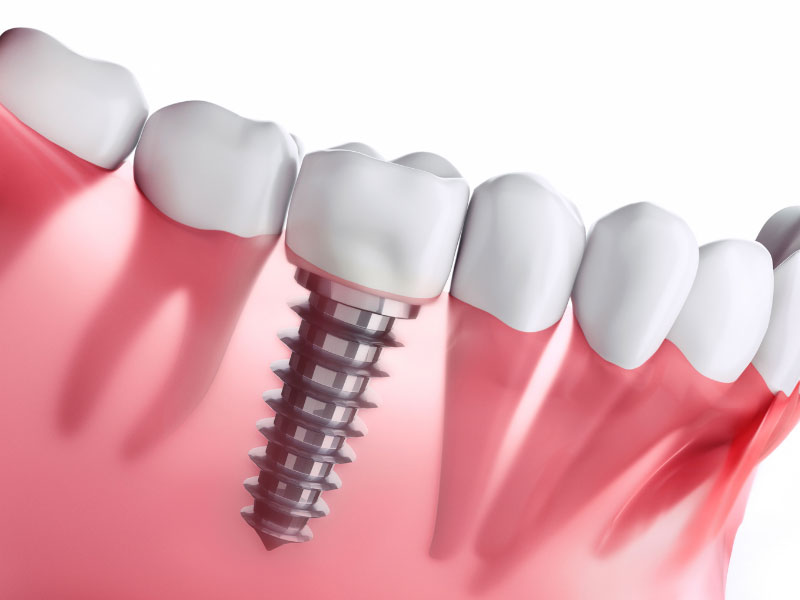
When you lose teeth, it doesn't just change how you look; it can also change how you talk, eat, and interact with other people. If you lose one or more teeth—whether because of gum disease, an injury, or a birth defect—your bone will continue to deteriorate, your teeth may shift, and your facial structure can collapse if left untreated.
This is why Phoenix implant dentistry is now the best way to restore tooth shape, function, and long-term stability. A properly placed dental implant is more than a cosmetic fix; it is a biological and mechanical solution that supports lasting oral health.
Why Implants Are Important
The alveolar bone around a missing tooth stops receiving the mechanical stimulation needed to stay healthy. This leads to bone resorption, which changes facial shape and makes later treatment more challenging. Teeth next to the gap often drift into it, making hygiene more difficult and disrupting the bite.
Traditional options like bridges or removable dentures can improve appearance but do not stop bone loss and often depend on neighboring teeth. Dental implants, however, integrate directly with the jawbone, stop bone deterioration, and function like natural roots.
- Prevent bone loss
- Preserve facial structure
- Support natural chewing and speaking
- Protect surrounding teeth
What Makes Dental Implants Different
Osseointegration—the biological bond between titanium or titanium-zirconium implants and living bone—is what makes implants uniquely strong and reliable. Once integration is complete, a custom abutment and final restoration are placed above the gums, creating a tooth replacement that looks and feels completely natural.
In advanced clinical settings focused on prosthodontic excellence, implant treatment is tailored to each patient. High-strength ceramics like zirconia or lithium disilicate provide restorations that blend naturally into the smile. Digital tools such as CBCT imaging and intraoral scanning guide implant placement with exceptional precision.
Choosing the Right Method
Implants are ideal for replacing single teeth but can also support complex restorations, including full-arch solutions using as few as four strategically placed implants. The All-on-4® method, for example, can replace all upper or lower teeth—often without bone grafting—while offering immediate function that dentures cannot match.
Compared to removable prostheses, implant-supported restorations provide better stability, comfort, and chewing efficiency. They also avoid the need to trim neighboring teeth, which is required for traditional bridges.
Things to Think About Before You Proceed
Though highly effective, implants are not right for everyone. Adequate bone volume is required for stability, and some cases need grafting before placement. Systemic health issues—such as uncontrolled diabetes or smoking—can affect healing. Active periodontal disease must be treated before implant surgery.
A prosthodontic specialist customizes each treatment plan based on anatomy, health history, and functional needs. Proper planning helps avoid complications like peri-implantitis, an inflammatory condition that threatens implant stability.
Long-Term Care
Just like natural teeth, dental implants require ongoing care. Patients should brush twice daily with a soft-bristle brush and fluoride toothpaste—especially stannous fluoride, which helps reduce inflammation and bacteria. Interdental cleaning remains essential to prevent plaque buildup around implants.
Regular dental checkups help monitor gum health, bone levels, and the condition of restorations. With proper home care and professional maintenance, implants show long-term success rates of over 90% for 10 years or more.
In Short
Prosthodontists do more than fill gaps—they help create a smile that is healthier, more balanced, and more confident. With proper planning and execution, dental implants are one of the best long-term solutions for restoring oral health and improving quality of life.
To make an appointment and learn more about dental implants, call (509) 796-0885.
Blog Post Author

Contributed by DentalROI
DentalROI provides relevant dental content to help providers educate patients. The statements, services, and products referenced in this article have not been evaluated by the Food and Drug Administration, and they are not intended as a substitute for professional medical advice, diagnosis, or treatment. Always seek the advice of your dental provider with any questions or issues you may have. Specific recommendations may vary in different circumstances, so individual consultation is important.