What Is a Frenectomy and Who Needs One?
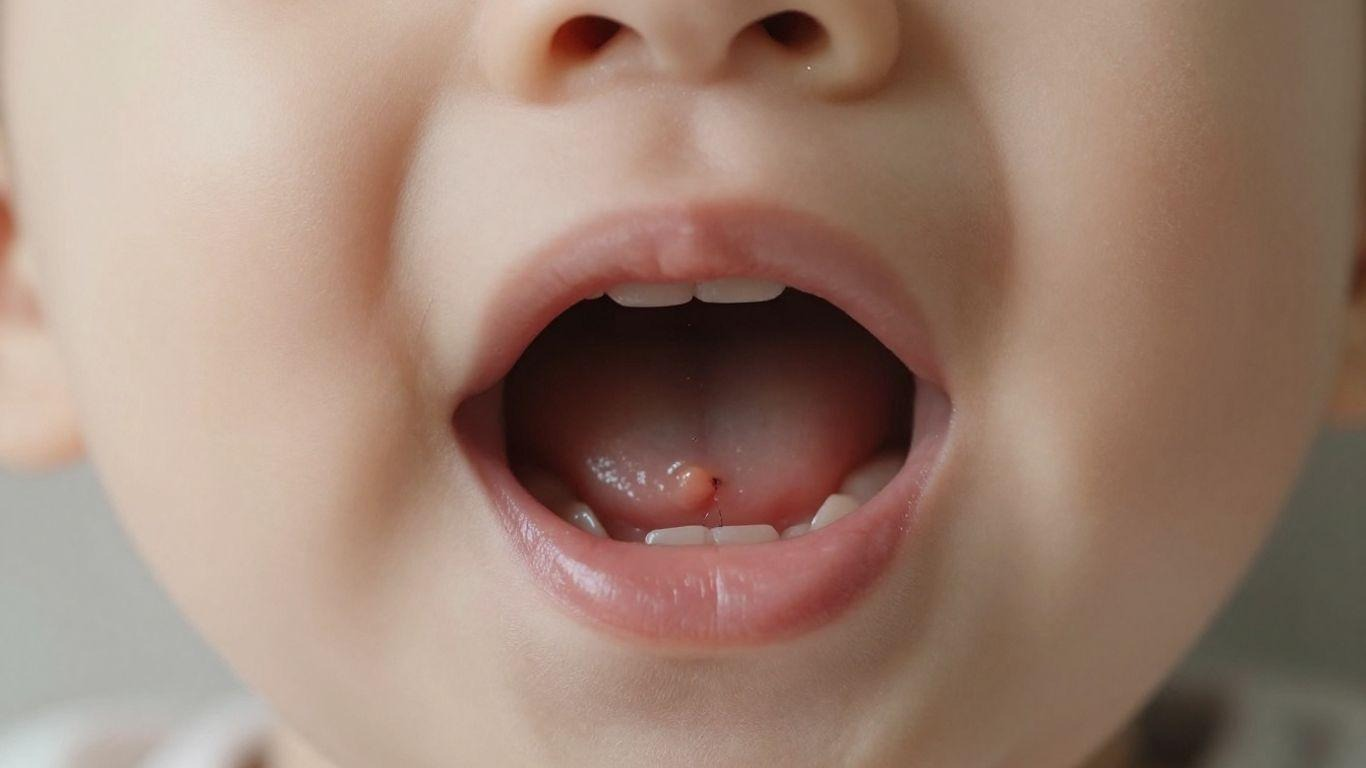
So, you've heard the term "frenectomy" thrown around, maybe by your pediatrician or dentist, and you're wondering, "what is a frenectomy?" Basically, it's a minor surgical procedure to fix something called a "tie." We're talking about lip ties and tongue ties. These happen when a little piece of tissue, called a frenulum, is too short, too thick, or just in the wrong spot. This tissue connects your lip to your gums, or your tongue to the floor of your mouth.
What problems can an untreated lip tie or tongue tie cause?
When that frenulum is a bit too much, it can cause all sorts of issues, especially for little ones. Think about feeding – a baby might have trouble latching properly when breastfeeding, leading to sore nipples for mom and not enough milk for baby. Bottle-fed babies might gulp too much air, leading to gas and fussiness. As kids grow, these ties can affect how they speak, making certain sounds tricky. You might also notice gaps between their front teeth, or their gums might start to pull away from the teeth. Sometimes, it can even make it harder to keep their mouth clean or affect how they breathe.
- Difficulty with breastfeeding or bottle-feeding
- Speech delays or trouble pronouncing certain words
- Gaps between the front teeth
- Gum recession
- Problems with oral hygiene
It's not just about the immediate problems, either. Untreated ties can sometimes lead to bigger issues down the road, like problems with jaw development or even sleep disturbances. Getting it checked out early can make a big difference.
There are a few different types of frenectomies, depending on where the tie is:
- Lingual frenectomy: This is for a tongue tie, releasing the tissue under the tongue.
- Labial frenectomy: This is for a lip tie, usually involving the tissue between the upper lip and the gums.
- Buccal frenectomy: This is less common and involves the tissue connecting the cheek to the gums.
Frenectomy for Lip Tie or Tongue Tie — What Parents Should Know
So, you've heard the terms "lip tie" or "tongue tie" and are wondering if your little one might have one. It's a common concern for parents, and understanding when a frenectomy for lip tie or tongue tie might be the answer is key. Basically, a frenulum is a small piece of tissue that connects your lip to your gums or your tongue to the floor of your mouth. Sometimes, this tissue can be a bit too short, thick, or tight, and that's when it can cause problems, often called a tie.
How do you know if your child needs a frenectomy?
Figuring out if your child needs a frenectomy isn't always straightforward, but there are definitely signs to look out for. For babies, feeding is often the first place you'll notice issues. If your baby is having a really hard time latching onto the breast or bottle, seems to be gulping a lot of air, or if breastfeeding is causing you pain, a tongue or lip tie could be the culprit. Sometimes, babies with ties don't gain weight as well as they should, which is a big red flag for parents and doctors.
As kids get a little older, other signs might pop up:
- Speech difficulties: Trouble pronouncing certain sounds, especially those that require tongue movement like 't', 'd', 'l', or 's'.
- Dental issues: You might notice a gap between the front teeth, or the gums might seem to be pulling away from the teeth, especially the lower front ones.
- Eating challenges: Difficulty eating certain textures of food, or food getting stuck easily.
- Mouth breathing: Some kids with tongue ties tend to breathe through their mouth more often than their nose.
It's important to remember that not every baby with a frenulum that looks a bit different needs intervention. The key is whether that frenulum is actually causing functional problems. A good pediatrician or a pediatric dentist specializing in these issues can help assess if a frenectomy is the right path.
If you suspect your child might have a lip or tongue tie, the best bet is to talk to your pediatrician or a pediatric dentist. They can do a thorough check and discuss whether a frenectomy for lip tie or tongue tie is something to consider. It’s a procedure that can make a big difference in your child’s comfort and development.
Frenectomy Dental Procedure Explained Step by Step
So, you're wondering what actually happens during a frenectomy? It's a pretty straightforward procedure, and honestly, not as scary as it might sound. The main goal is to free up a tongue or lip that's being held back by a tight band of tissue, called a frenulum. This little bit of tissue can cause all sorts of issues, from feeding problems in babies to speech difficulties later on.
How the Procedure Works
When you come in for a frenectomy, the first thing we do is make sure everyone is comfortable. For little ones, this might mean a tiny bit of numbing gel or even some sweet stuff like a sugar solution to help them relax. Sometimes, older kids might get a little extra help with something like laughing gas if they're feeling anxious. We'll also use a local anesthetic to make sure the area we're working on is totally numb. The actual cutting part is super quick, often just a few minutes.
There are a couple of ways we can do this:
- Laser Frenectomy: This is pretty common now. We use a special soft-tissue laser that gently vaporizes the frenulum. The cool thing about lasers is that they also seal the tiny blood vessels as they go, which means way less bleeding and often no need for stitches. It's super precise, too.
- Traditional Scalpel Method: Sometimes, especially if a laser isn't available or suitable, we'll use tiny surgical scissors or a scalpel. It's still a very quick snip to release the tissue.
After the release, we'll give you some simple instructions on how to care for the area. It's all about making sure it heals up nicely so the tongue or lip can move freely.
The whole appointment might take about an hour, but that includes talking about what we're doing, the actual procedure, and going over the aftercare. The part where we're actually doing the work is surprisingly brief.
Frenectomy Benefits and Recovery — What to Expect After
So, you're wondering about the good stuff that comes after a frenectomy and what the healing process is like? Let's break down the frenectomy benefits and recovery.
What are the main benefits of a frenectomy?
Getting a frenectomy done can really make a difference for both babies and older kids. For little ones, the biggest win is usually improved feeding. This means easier latching for breastfeeding moms, better milk transfer, and less fussiness at mealtime. For kids who are a bit older, or even adults, the benefits often show up in speech. You might notice clearer pronunciation and an easier time making certain sounds. Plus, having a better range of motion with the tongue or lip can just make everyday things feel more comfortable, like eating, talking, and even smiling.
What does recovery look like after a frenectomy?
Recovery is generally pretty straightforward, especially with modern laser techniques. Most of the time, discomfort is pretty mild and short-lived. Here’s a general idea of what to expect:
- Immediate Post-Procedure: For babies, feeding them right after the procedure can help soothe them and minimize any minor bleeding. For older kids, they might feel a bit sore or sensitive for a day or two.
- Pain Management: Over-the-counter pain relievers, like infant acetaminophen or child-appropriate ibuprofen, are usually all that's needed to manage any discomfort for the first few days.
- Activity: Most kids can go back to their normal activities pretty quickly. There aren't usually major restrictions.
- Healing: The area heals up fast. You might see a small white spot where the frenulum was, which is normal and part of the healing process.
How long does it take to fully recover from a frenectomy?
Most people see significant improvement within the first week or two. For babies, you might notice feeding changes almost immediately, or it could take a little time for them to adjust. For older children and adults, the initial soreness usually fades within a few days, but it can take a few weeks for any speech or functional improvements to become fully apparent. Sometimes, follow-up therapy, like speech or myofunctional therapy, is recommended to help maximize the benefits and ensure the best long-term results.
It's important to remember that while the procedure itself is quick, the full benefits often unfold over time as the mouth adjusts and new habits are formed. Patience and following any post-procedure care instructions are key.
What to expect after a frenectomy?
After the procedure, the focus shifts to helping the mouth heal and adapt. For infants, this often means encouraging regular feeding. For older children, exercises or stretches might be recommended by the doctor or therapist to help improve tongue or lip mobility. It's not uncommon for there to be a period of adjustment as the child gets used to the new range of motion. Some parents notice immediate positive changes, while for others, it's a gradual improvement over a couple of weeks. The goal is to see better function and comfort in the long run.
Who Needs a Frenectomy — Adults or Just Children?
So, who actually needs a frenectomy procedure? While we often hear about it for babies and little kids struggling with feeding or speech, it's not just a kid thing. Adults can absolutely benefit from a frenectomy too!
Think about it: if a tight frenulum (that little band of tissue connecting your lip to your gums or your tongue to the floor of your mouth) is causing issues, it doesn't just disappear when you hit adulthood. These issues can pop up in different ways for grown-ups.
Here are some reasons an adult might need a frenectomy:
- Speech difficulties: Sometimes, a tongue tie that wasn't addressed in childhood can still affect how clearly you speak, making certain sounds tricky.
- Gum recession: A really tight lip frenulum can pull on your gums, leading to them pulling away from your teeth over time. This can be a big deal for your oral health.
- Problems with dental appliances: If you wear dentures or other dental work, a restrictive frenulum can sometimes interfere with how well they fit or how comfortable they are.
- Difficulty with oral hygiene: A tongue tie can make it hard to clean all the nooks and crannies in your mouth properly.
- Pain or discomfort: Some adults experience discomfort during certain activities, like eating specific foods or even kissing, due to restricted movement.
While many frenectomies are done on infants to get ahead of potential problems with feeding and development, adults aren't excluded. If you're experiencing ongoing issues that might be linked to a restrictive frenulum, it's worth talking to a dentist or doctor about whether a frenectomy could help you out.
So, yeah, while it's super common for babies, adults who find themselves dealing with persistent oral function issues might also be candidates for a frenectomy procedure. It's all about improving function and comfort, no matter your age.
Wrapping Up
So, what is a frenectomy and who needs one? It's a simple procedure to fix a tight band of tissue under the tongue or lip, often called a tongue-tie or lip-tie. While it's most common in babies to help with feeding, it can also help older kids and even adults with speech or other issues. If you suspect you or your child might need one, chatting with a dentist or doctor is the best first step. They can figure out if it's the right solution to improve comfort and function.
Frequently Asked Questions
What exactly is a frenectomy?
A frenectomy is a small surgical procedure to release a piece of tissue called a frenulum. This tissue connects your lip to your gums or your tongue to the bottom of your mouth. When this tissue is too tight or short, it's called a lip tie or tongue tie, and a frenectomy helps fix that.
Why would a baby need a frenectomy?
Babies often need a frenectomy if their tongue or lip tie makes it hard for them to eat. This can mean they have trouble latching onto a bottle or breast, which can be tough for both the baby and the parent. Fixing it can make feeding much easier.
Can adults get a frenectomy too?
Yes, adults can get a frenectomy! While it's more common for babies, adults might need one if a lip or tongue tie is causing problems with speaking clearly, eating certain foods, or even issues with their teeth and gums later in life.
Does a frenectomy hurt?
The procedure itself is usually very quick and not too painful, especially for babies. Doctors often use numbing medicine or even lasers, which can make it feel like just a little pinch or nothing at all. Afterward, there might be some soreness for a few days.
How long does it take to recover from a frenectomy?
Recovery is usually pretty fast. Most people feel much better within a few days. For babies, they might need a little time to get used to moving their tongue or lip more freely after the procedure.
What are the benefits of getting a frenectomy?
The main benefit is improved movement of the tongue or lip. For babies, this means better feeding. For older kids and adults, it can help with clearer speech, easier eating, and better oral hygiene. It basically helps things work the way they should.
Blog Post Author

Contributed by DentalROI
DentalROI provides relevant dental content to help providers educate patients. The statements, services, and products referenced in this article have not been evaluated by the Food and Drug Administration, and they are not intended as a substitute for professional medical advice, diagnosis, or treatment. Always seek the advice of your dental provider with any questions or issues you may have. Specific recommendations may vary in different circumstances, so individual consultation is important.