

What to Eat After Dental Implant Surgery
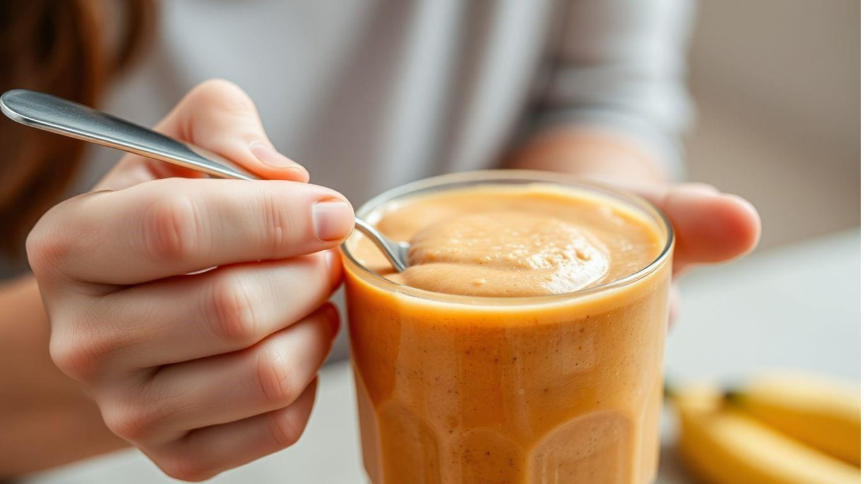
Getting Phoenix dental implants is a big step toward a healthier, more complete smile. But after the surgery, what you eat really matters. The right foods can help you heal faster and make sure your new implants settle in well. This guide will walk you through what to eat after dental implants surgery, from the first few days to when you can start enjoying more normal foods again.
Key Takeaways
- Focus on soft, nutrient-rich foods immediately after surgery to aid healing and prevent irritation.
- Stay hydrated with liquids like broths and smoothies, avoiding straws that can disrupt the healing site.
- Gradually reintroduce protein sources like eggs, fish, and soft dairy as healing progresses.
- Avoid crunchy, tough, chewy, sticky, acidic, spicy, and very hot foods for the first one to two weeks.
- Proper nutrition supports implant integration and overall recovery.
Why Post-Surgery Nutrition Matters for Dental Implants
After getting dental implants, what you eat plays an important role in how well your mouth heals. Your body needs the right nutrients to repair tissue and support the implant as it bonds with the jawbone.
Proper nutrition helps reduce inflammation, lowers the risk of infection, and supports the osseointegration process.
- Supports tissue healing and recovery
- Helps implants fuse with the jawbone
- Strengthens the immune system
- Provides energy for healing
Soft foods reduce stress on the surgical site, creating the ideal environment for healing.
What to Eat Immediately After Dental Implant Surgery (First 24–48 Hours)
During the first one to two days after surgery, your mouth will be sensitive. A liquid or very soft diet helps protect the surgical area and supports early healing.
The goal is to choose foods that require no chewing and are easy to swallow.
- Broths and pureed soups served lukewarm
- Smoothies made with bananas, berries, yogurt, or milk
- Plain yogurt, cottage cheese, and pudding
- Meal replacement or protein drinks
Avoid straws, very hot foods, and anything with small particles that could irritate the surgical site.
Best Foods During the First Week of Healing
As healing continues, soft foods remain essential. Your gums and jaw still need protection, so foods should be easy to chew and swallow.
Protein-rich and nutrient-dense foods help repair tissue and maintain strength during recovery.
- Smoothies with fruits, vegetables, and protein powder
- Cold or warm pureed soups
- Applesauce, yogurt, pudding, and gelatin
- Scrambled eggs and soft tofu
- Mashed potatoes and sweet potatoes
- Pureed vegetables like carrots, squash, and peas
- Oatmeal, cream of wheat, soft pasta, and well-cooked rice
If any food causes discomfort, return to softer options and allow more healing time.
Foods to Avoid After Dental Implant Surgery
Certain foods can interfere with healing or damage the surgical site. Avoid foods that are hard, crunchy, chewy, or sticky.
- Crunchy foods like nuts, chips, popcorn, and raw vegetables
- Chewy foods like bagels, jerky, and gummy candy
- Hard foods such as apples, crusty bread, and steak
- Sticky foods like caramel, toffee, and chewing gum
Also avoid spicy, acidic, and very hot foods and drinks, as they can irritate healing tissue.
Following these restrictions helps prevent complications and supports long-term implant success.
Long-Term Nutrition Benefits for Dental Implant Health
Once your implants have fully healed, you can return to a normal diet. However, healthy eating remains important for protecting the surrounding gums and jawbone.
A balanced diet helps maintain oral health and supports implant longevity.
- Protein-rich foods to support tissue and bone health
- Calcium and vitamin D sources for strong jawbones
- Fruits and vegetables rich in antioxidants
Good nutrition combined with proper oral hygiene helps ensure implants last for many years.
Wrapping Up Your Recovery Diet
Eating the right foods after dental implant surgery plays a major role in healing. While dietary restrictions may feel limiting at first, they are temporary and essential for long-term success.
Follow your Phoenix dentist’s advice, be patient with your recovery, and you’ll soon be back to enjoying your favorite foods with confidence. Knowing what to eat is essential for a comfortable and fast recovery after your implant surgery. Contact our office if you have questions about your post-operative diet or specific healing concerns. Let the team at Radiant Smiles Phoenix help you return to your favorite foods with a healthy, permanent smile.
Frequently Asked Questions
Why is diet important after dental implant surgery?
Proper nutrition helps speed healing, reduces complications, and supports implant integration.
What foods can be eaten immediately after surgery?
Liquids and very soft foods like smoothies, yogurt, broths, and applesauce are best.
When can normal foods be reintroduced?
Soft foods can usually be introduced after a few days, with gradual progression as healing improves.
Which foods should be avoided?
Hard, crunchy, chewy, sticky, spicy, acidic, and very hot foods should be avoided initially.
How long does the soft food phase last?
The strict soft food phase typically lasts one to two weeks, depending on healing progress.
Is it safe to use a straw after surgery?
No, using a straw can disrupt healing and should be avoided during early recovery.
Blog Post Author

Contributed by DentalROI
DentalROI provides relevant dental content to help providers educate patients. The statements, services, and products referenced in this article have not been evaluated by the Food and Drug Administration, and they are not intended as a substitute for professional medical advice, diagnosis, or treatment. Always seek the advice of your dental provider with any questions or issues you may have. Specific recommendations may vary in different circumstances, so individual consultation is important.