Why Do Teeth Look Shorter as You Get Older
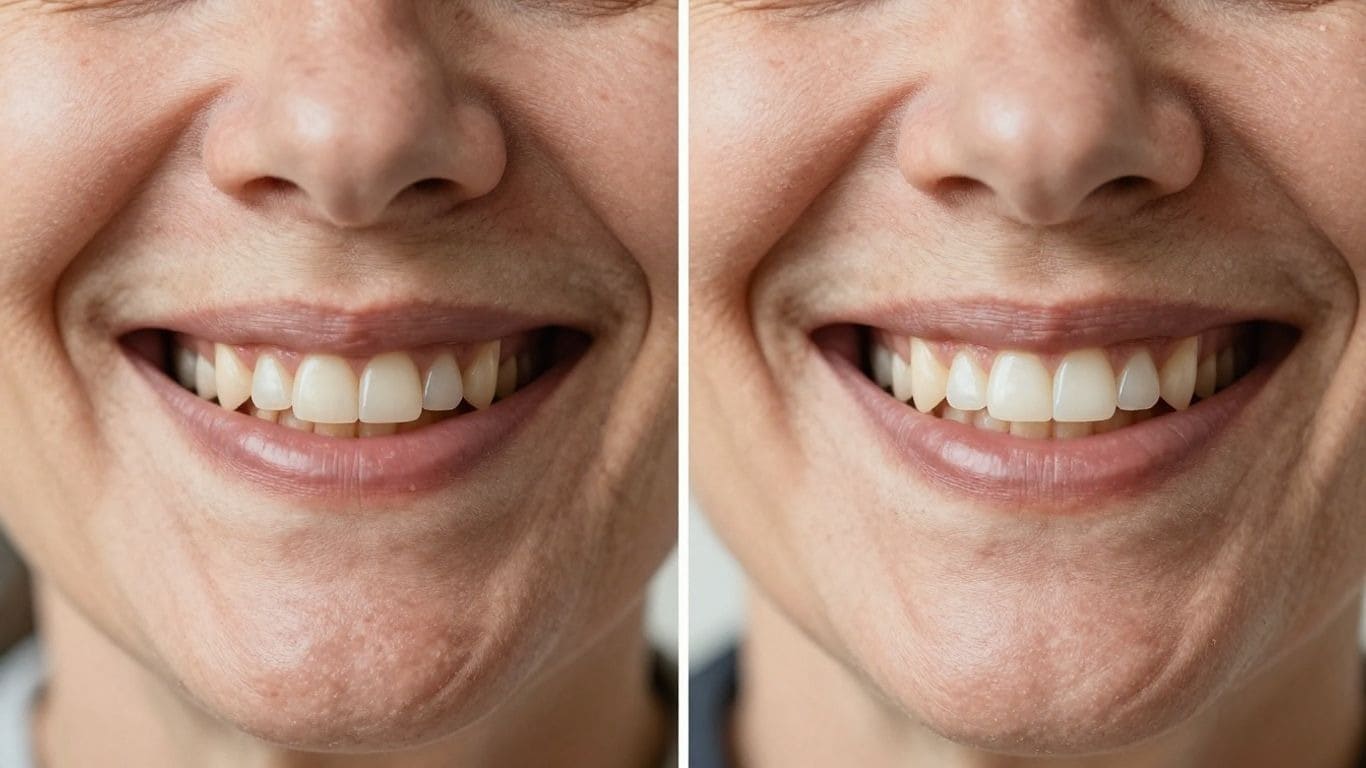
Ever catch yourself looking at old photos and thinking, "Wow, my teeth used to look longer"? You're not imagining things. It's a super common thing that happens as we age, and it's not like your teeth are actually shrinking. Instead, a bunch of everyday wear and tear gradually changes their appearance. The main reason your teeth might seem shorter is the slow loss of enamel, the tough outer layer that protects them. Think of it like a well-worn path – over time, it just gets a little flatter and less defined.
Aging and tooth wear: what happens to your teeth over time
Over the years, your teeth go through a lot. Every time you chew, grind your teeth (even if you don't realize you're doing it, especially at night), or consume acidic foods and drinks, tiny bits of enamel can wear away. It's a super gradual process, so you might not notice it day-to-day. But add it all up over decades, and those once-sharp edges can become flatter, making your teeth appear shorter. This wear can also change the overall shape of your smile, making it look less vibrant than it used to.
- Enamel Loss: This is the big one. Enamel is super strong, but it can't grow back once it's gone.
- Flattened Edges: The natural curves on the biting edges of your teeth can wear down, becoming more blunt.
- Smile Appearance: Even a millimeter of lost length can change how your smile looks, sometimes making it seem less full or youthful.
It's easy to overlook the subtle changes in our smiles until we compare them to how they looked years ago. The gradual wearing down of tooth enamel is a natural part of aging, but it can significantly impact your smile's appearance and even its function over time.
Top Teeth Getting Shorter With Age Causes
Ever look at an old photo and do a double-take at your smile? It's not just you. Your teeth can actually start to look shorter over time, and it's a pretty common thing. It's not like they're shrinking overnight, but years of daily life can really take a toll on that tough outer layer of your teeth, called enamel. Once that enamel is gone, it doesn't grow back, which is why addressing the causes is so important.
Why teeth wear down over time more than you'd expect
So, what's really going on? It turns out there are a few main culprits behind why teeth wear down over time and start to look a bit stubbier. It's usually not just one thing, but a combination that adds up.
- Grinding and Clenching (Bruxism): This is a big one. Many people grind or clench their teeth without even realizing it, especially at night or when they're stressed. This constant tooth-on-tooth friction literally grinds away at the enamel. Dentists are seeing more and more of this, and it's a major reason teeth lose their length.
- Acid Exposure (Erosion): Think about all the acidic things we consume – sodas, sports drinks, citrus fruits, wine, even sparkling water. These can soften the enamel. When your enamel is softened, everyday chewing becomes more abrasive, wearing it down faster than it should.
- Aggressive Brushing: Believe it or not, brushing your teeth too hard, especially with a firm toothbrush, can wear away enamel over time. It’s a bit like using sandpaper on wood – you can damage the surface if you’re too rough.
- Normal Wear and Tear: Even just chewing and talking over decades adds up. It’s a slow process, but those edges that were once rounded and smooth can gradually become flatter and less defined.
It's easy to think of enamel as indestructible, but it's actually quite vulnerable to constant friction and acid. Over years, these small daily assaults can lead to noticeable changes in tooth length and shape, making your smile look different than it did in your younger years.
It’s a bit of a perfect storm scenario. You might have some nighttime grinding, enjoy a few sodas, and have been brushing diligently for years. All these factors contribute to the gradual flattening and shortening of your teeth, changing the overall appearance of your smile.
How Tooth Length Changes With Age and Causes Behind It
So, you've noticed your teeth seem a bit shorter than they used to be. It's not just in your head! Over time, a few things can make your pearly whites appear to shrink. It's a common part of aging and tooth wear, and understanding the tooth length changes with age and causes behind it can help you keep your smile looking its best.
Grinding, erosion, and enamel loss explained
Think of your teeth like tiny, tough soldiers. Their armor is the enamel, the hardest stuff in your body. But even the toughest armor can get worn down. This is where the main culprits come in:
- Attrition: This is basically tooth-on-tooth wear. If you grind or clench your teeth (hello, bruxism!), especially at night when you might not even realize it, you're essentially filing down the edges. It's like rubbing two rocks together – eventually, they both wear away.
- Erosion: This is when acids start eating away at your enamel. It doesn't just come from sugary sodas or candy. Things like citrus fruits, wine, sports drinks, and even stomach acid from reflux can soften the enamel. Once it's softened, everyday chewing becomes more abrasive, like trying to chew with sandpaper.
- Enamel Loss: This is the result of the above. When enamel wears away, it doesn't grow back. It's gone for good. This loss makes the teeth look shorter and can also make them more sensitive or prone to other issues.
The funny thing is, most people don't wake up one day and say, "My teeth are shorter!" Usually, they'll look at an old photo and notice the difference. The edges that used to be rounded and smooth might look flat or even a little chipped. It's a slow process, but over years, those tiny bits of enamel add up, changing the whole look of your smile.
Here's a quick look at what you might see:
- The biting edges of your front teeth look flatter instead of having a slight curve.
- You might feel small chips or rough spots on the edges with your tongue.
- When you smile, less of your upper teeth might show compared to how it used to.
- Your smile might look a bit more 'squished' or less open than in older pictures.
Signs Your Teeth Are Getting Shorter Than Normal
So, you've been looking in the mirror, maybe comparing old photos to new ones, and you're getting the feeling your teeth just aren't as long as they used to be. It's a pretty common thing people notice, and it's usually not just in your head. While your teeth don't actually grow or shrink in the way a plant does, the way they look can definitely change over time. If you're starting to wonder if something's up, here are some signs that your teeth might be getting shorter than normal, and it's time to chat with your dentist.
What to Look For
It's not always a dramatic change, but a collection of subtle shifts can add up. Keep an eye out for these things:
- Edges Looking Flat or Uneven: Remember when the edges of your front teeth had a nice, gentle curve? If they're starting to look more like a straight line, or you can feel little chips or rough spots with your tongue, that's a big clue. It's like the rounded tops have been worn down.
- Less Tooth Showing When You Smile: This is a big one. If you notice that when you smile, especially in photos, you're not seeing as much of your upper teeth as you used to, it could be because they've lost some length.
- Your Smile Looks Different: Sometimes people don't say "my teeth are shorter." Instead, they say their smile looks "tired," "less defined," or just "not like me anymore." This change in overall appearance can be directly linked to tooth length.
- Noticeable Chips or Rough Spots: While not always the case, sometimes wear and tear can lead to small chips or unevenness along the biting edges of your teeth. You might feel these more than see them at first.
- Teeth Appearing Shorter Than Each Other: If you notice one or two teeth look noticeably shorter than the ones next to them, it's a sign of uneven wear, which points to underlying issues.
It's important to remember that teeth don't regenerate enamel once it's gone. So, any wear you're seeing is permanent. Addressing it early can prevent further loss and keep your smile looking its best.
When to See a Dentist
Honestly, if you're noticing any of these changes and it's bothering you, it's a good idea to make an appointment. Don't wait until it's a major issue. Your dentist can tell you for sure if your teeth are wearing down and, more importantly, figure out why it's happening. They can also explain what your options are for fixing it and preventing it from getting worse. It's better to catch these things early, you know?
How to Prevent and Restore Shorter Teeth From Aging
So, your teeth are looking a bit shorter than they used to. Bummer, right? It happens to the best of us, thanks to years of chewing, maybe some teeth grinding you didn't even know about, and just life in general. The good news is, you're not stuck with a less-than-ideal smile. There are ways to stop things from getting worse and even bring back some of that lost length.
First off, let's talk about stopping the damage. If you grind your teeth at night (that's called bruxism), a custom-made nightguard is your best friend. It's like a little shield for your teeth, preventing that grinding from wearing down the enamel even more. Think of it as a bodyguard for your smile. You can get these from your dentist, and they're way better than those one-size-fits-all ones you might see online.
Here are some other things that can help:
- Watch what you eat and drink: Super acidic stuff like soda, sports drinks, citrus fruits, and even sparkling water can wear away enamel over time. Try to limit these, and if you do have them, maybe use a straw or rinse your mouth with plain water afterward.
- Brush gently: Seriously, you don't need to scrub your teeth like you're cleaning a floor. Using a soft-bristled toothbrush and a gentle technique is key. Aggressive brushing can actually wear down your enamel and gums.
- Address health issues: If you have acid reflux (GERD) or other conditions that cause frequent vomiting, talk to your doctor. Managing these can significantly reduce acid exposure to your teeth.
Now, what about fixing teeth that are already shorter? Dentists have a few tricks up their sleeves.
- Bonding: This is a great option for minor wear. Your dentist uses a tooth-colored resin material that's sculpted onto the edges of your teeth to add length and shape. It's pretty conservative, and often, they don't even need to drill your natural tooth.
- Veneers: If you've lost a bit more length or want a more dramatic change in shape and color, veneers are a popular choice. These are thin, custom-made shells (usually porcelain) that are bonded to the front of your teeth. They can really transform a smile.
- Crowns: For teeth that are severely worn down or have other structural issues, a crown might be the best bet. It's like a cap that covers the entire tooth, restoring its shape, size, and strength.
The most important thing to remember is that fixing the wear is only half the battle. If the underlying cause, like grinding or acid erosion, isn't addressed, whatever restoration you get might not last as long as you'd hope. It's all about tackling the problem from both ends – protecting what you have left and rebuilding what's been lost.
Seeing your dentist regularly is super important. They can spot the early signs of wear and help you figure out the best plan before things get too serious. Don't wait until your teeth are significantly shorter; catching it early makes treatment easier and often less expensive.
So, What's the Takeaway?
Alright, so it turns out your teeth aren't actually shrinking in some weird, magical way. It's more like they're getting a little bit of a makeover from everyday life – think grinding, sipping on acidic drinks, or just, you know, living. Over time, this wears down that tough enamel, making teeth look shorter and changing up your smile. The good news? Dentists have ways to fix it, whether it's a bit of bonding, some fancy veneers, or even crowns. The key is figuring out why they're wearing down in the first place so you can get a fix that actually lasts. If your smile isn't feeling like you anymore, it might be time to chat with your dentist. Contact Radiant Smiles Phoenix today to learn more about why teeth appear shorter with age and explore treatment options to restore your smile.
Frequently Asked Questions
Why do my teeth look shorter now than they did when I was younger?
It's not usually in your head! Over many years, your teeth get worn down a little bit from normal chewing, grinding your teeth (even in your sleep!), and sometimes from acidic foods and drinks. This gradual wear can flatten the edges of your teeth, making them appear shorter over time. Think of it like a pencil that gets shorter the more you use it.
What are the main reasons teeth wear down?
The biggest culprits are grinding your teeth, which is called bruxism, and acid erosion. Grinding wears away the tooth's hard outer layer, called enamel, by rubbing teeth together. Acidic things like soda, fruit juice, and even stomach acid from reflux can soften the enamel, making it easier to wear away during chewing. Even brushing too hard can contribute over time.
Can worn-down teeth be fixed?
Yes, absolutely! Dentists have several ways to help. For minor wear, they might use a tooth-colored material called bonding to add length back. For more noticeable changes, thin shells called veneers can be placed over the front of your teeth. If a lot of tooth structure is lost, crowns, which are like caps for teeth, can restore their shape and length.
How can I tell if my teeth are shorter than normal?
Look closely at the edges of your front teeth. Do they look flat or chipped instead of slightly rounded? Also, compare old photos to now. Do your teeth show less when you smile? Sometimes, the teeth might look uneven in length, or your smile might just seem less full than it used to. If you notice these changes, it's a good idea to ask your dentist.
Is it just the teeth, or can gums make teeth look shorter?
That's a great question! Sometimes, it's not just the teeth wearing down. Gum recession, where the gum tissue pulls back, can expose more of the tooth's root. This can make the teeth look longer. On the flip side, if you have more gum tissue showing when you smile (sometimes called a 'gummy smile'), it can make your teeth appear shorter than they really are.
What can I do to prevent my teeth from getting shorter?
The best approach is to address the causes. If you grind your teeth, your dentist might suggest a mouthguard to wear at night. Cutting back on sugary, acidic drinks and foods can help prevent erosion. Also, using a soft toothbrush and brushing gently can protect your enamel. Regular dental check-ups are key to catching problems early.
Blog Post Author

Contributed by DentalROI
DentalROI provides relevant dental content to help providers educate patients. The statements, services, and products referenced in this article have not been evaluated by the Food and Drug Administration, and they are not intended as a substitute for professional medical advice, diagnosis, or treatment. Always seek the advice of your dental provider with any questions or issues you may have. Specific recommendations may vary in different circumstances, so individual consultation is important.