Why Is Tooth Pain Worse at Night? (And How to Sleep With a Toothache)
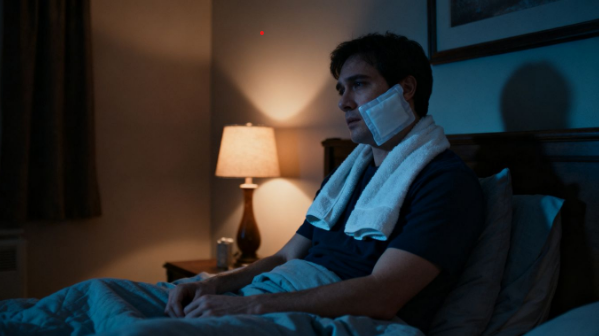
There are few things more frustrating than lying in bed while a throbbing tooth ruins your rest. Many people notice their dental discomfort peaks exactly when they are trying to relax, turning what should be a restful night into hours of tossing and turning. Understanding why this happens takes some of the mystery out of the ache and helps you prepare for better sleep. At Radiant Smiles Phoenix, our team helps patients understand what nighttime pain is signaling and how to get relief.
Why Does a Toothache Get Worse When Lying Down?
When you lie flat, gravity shifts more blood flow toward your head. This increase in localized blood pressure creates more noticeable sensitivity in inflamed areas of your mouth, especially if there is an underlying issue like a cavity or an internal infection. Because the pressure inside the tooth rises, the nerve becomes far more sensitive, turning a dull daytime ache into a sharp, pulse-like sensation that is difficult to ignore while you lie still. Fewer daytime distractions at night can also make the pain feel more intense than it did during your busy waking hours.
Nighttime Tooth Pain Relief Methods That Actually Work
Finding ways to manage the discomfort can mean the difference between a restless night and some much-needed recovery. While these steps are temporary measures, they often provide enough comfort to help you settle down and reduce the intensity of the pain until morning. By focusing on lowering physical pressure and maintaining good oral hygiene, you can address the physiological triggers behind that midnight throbbing while you wait to be seen for professional toothache treatment.
Sleeping Positions That Can Ease Toothache Pain
Adjusting your posture is one of the most immediate ways to regulate blood flow to your head. By changing how you position yourself, you can prevent the spike in pressure that typically flares up when you are flat on your back, helping you feel more comfortable through the night:
- Prop your head up with two or three firm pillows to maintain an elevated sleeping angle.
- Avoid sleeping on the side of your face where the painful tooth is located.
- Use a recliner chair if lying flat in bed is simply too uncomfortable to manage.
- Keep your bedroom cool to reduce the sensitivity of facial tissues.
These adjustments work by minimizing blood accumulation around the dental nerve, often producing a noticeable reduction in the throbbing that keeps you awake.
What Your Nighttime Tooth Pain Might Be Telling You
Ignoring a recurring ache usually leads to more complex problems, since symptoms often signal damage to the tooth structure or gums. Figuring out whether the pain comes from heat or cold sensitivity, a localized infection, or muscular grinding helps you communicate clearly with your dentist when you book your appointment. Sensitivity to temperature may point to a cavity that needs a filling, while a deep, constant pulse can indicate an infection that has reached the nerve. Paying attention to the specific type of pain gives you better insight into how serious the concern may be.
Home Remedies vs. When You Need Professional Care
Different dental issues call for different approaches, and knowing how to categorize your pain helps you decide whether a simple rinse is enough or whether urgent care is required. The table below outlines how common problems tend to show up as nighttime discomfort, and why a professional assessment is usually necessary for lasting relief.
| Dental Issue | Typical Symptom | Recommended Action |
|---|---|---|
| Tooth Decay | Sensitivity to cold | Schedule a standard exam |
| Dental Abscess | Persistent pulsing ache | Seek an urgent dentist visit |
| Bruxism (Grinding) | Dull morning soreness | Ask about a night guard |
Simple measures like warm salt-water rinses can clean the area, but they are not a fix for structural damage or deep-rooted infections. A recurring, pulsing ache may signal a dental abscess, while morning jaw soreness often points to teeth grinding that a custom night guard can protect against. Professional care is what addresses the root source, which rarely resolves on its own.
When Nighttime Tooth Pain Is a Dental Emergency
Severe symptoms need immediate attention, even in the middle of the night. Rapid swelling in your face or neck, a high fever, or visible pus all point to a spreading infection that cannot wait for a morning appointment. According to MouthHealthy, the American Dental Association's patient resource, a toothache accompanied by fever or facial swelling warrants prompt professional care. Staying calm and taking organized action protects your health while you seek treatment through our emergency dentistry services.
What to Do Until You Can See a Dentist
When you are facing an emergency, your main goal is to protect the area while getting in touch with a dental professional as soon as possible. Many clinics keep an emergency answering service, and reaching out early is the best way to be prioritized when they open. Focus on keeping your mouth clean and avoiding extremes of temperature or pressure near the tooth until you receive clinical help. Staying hydrated with room-temperature water is also useful, since it helps prevent the dry mouth that can aggravate inflammation. Keeping a simple log of when the pain started and any other symptoms you notice helps your dentist form an accurate diagnosis and get you comfortable faster.
Conclusion
Managing tooth pain at night starts with understanding how your body responds to position changes and learning to recognize the dental triggers behind the ache. Small adjustments to your sleeping setup may bring temporary relief, but persistent pain is a reliable sign that you should prioritize a visit to your dentist before the problem worsens. If a toothache is keeping you up, contact our team to get the care you need.
Frequently Asked Questions
Why does drinking cold water make a toothache feel worse at night?
Cold liquids can trigger a sharp reaction if you have a cracked tooth or damaged enamel, because the sensitive nerve inside fires rapidly when its protective layers are compromised.
Can stress really make tooth pain worse when I sleep?
Stress often leads people to clench or grind their teeth unconsciously, known as bruxism, which puts significant mechanical strain on your teeth and jaw muscles overnight.
Is it safe to take over-the-counter pain relievers for a toothache?
Over-the-counter medication can reduce short-term inflammation, but it is important to follow the label's dosage instructions and remember it does not fix the underlying dental problem.
Should I use heat or cold for my tooth pain?
Cold compresses generally provide better relief for acute toothache by constricting blood vessels and numbing the area, while heat is occasionally used to soothe tight jaw muscles.
What if the pain goes away by the time I see the dentist?
Even if you feel better, the underlying issue likely remains, so it is still wise to have a professional examine the area to prevent future flare-ups.
About the Author
Radiant Smiles Phoenix is a family-owned dental practice at 380 E Virginia Ave in Phoenix, Arizona, owned and operated by husband-and-wife dentists Dr. Sharan Sandhu and Dr. Jason Bajwa. The team provides comprehensive general, cosmetic, restorative, and emergency dental care with an emphasis on patient education, clear communication, and clinical excellence, treating every patient like a member of their own family.
Medical Disclaimer
The information provided in this article is for educational purposes only and does not constitute professional medical or dental advice, diagnosis, or treatment. If you are experiencing severe pain, swelling, or fever, seek care promptly. Always seek the advice of your dentist or other qualified health provider with any questions you may have regarding a medical condition or treatment. Never disregard professional medical advice or delay in seeking it because of something you have read here.
Blog Post Author

Contributed by DentalROI
DentalROI provides relevant dental content to help providers educate patients. The statements, services, and products referenced in this article have not been evaluated by the Food and Drug Administration, and they are not intended as a substitute for professional medical advice, diagnosis, or treatment. Always seek the advice of your dental provider with any questions or issues you may have. Specific recommendations may vary in different circumstances, so individual consultation is important.